
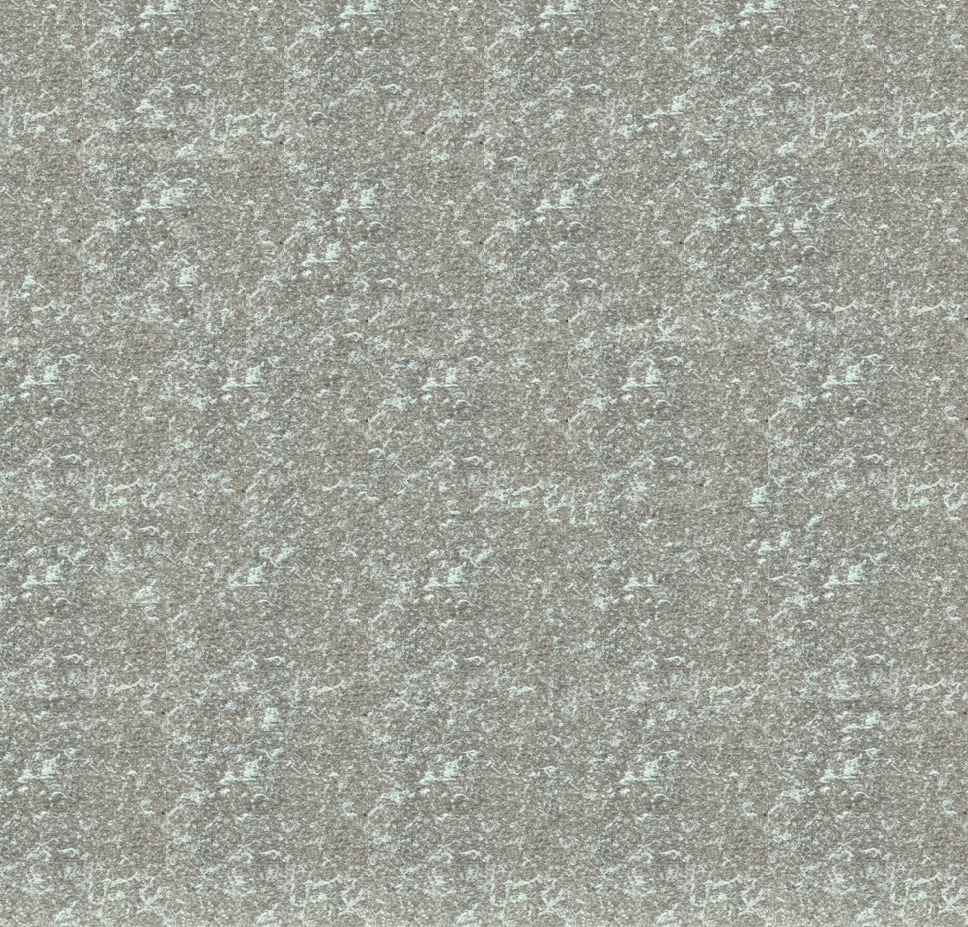
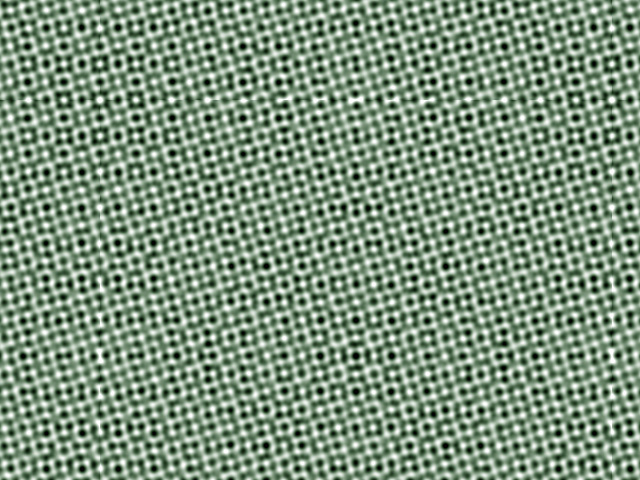
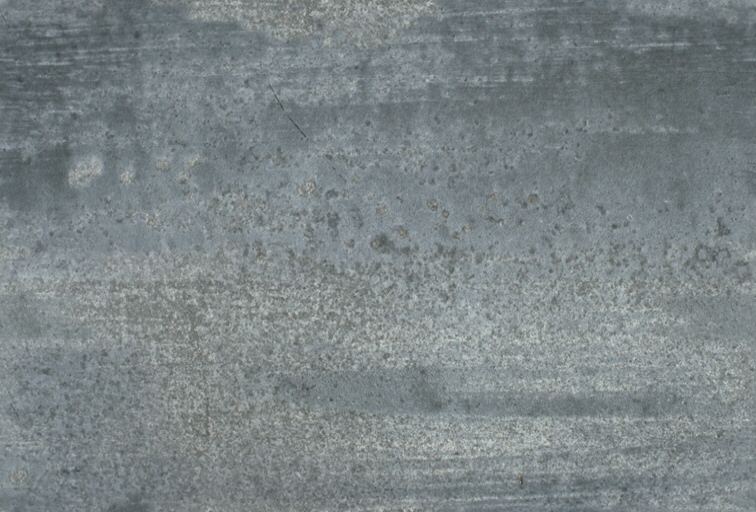
CGVista uploads a curated collection of map sources dedicated to fabric and textile materials — the foundation of how a garment moves, drapes, and exists in space.
Fabric is the most physically complex material in fashion production. Unlike hard surfaces, cloth is alive — it responds to gravity, catches light differently depending on thread count and weave tension, and behaves in ways that are uniquely tied to its fiber composition. Cotton falls soft and diffuse. Silk catches highlights and shifts tone as it moves. Wool holds structure and texture simultaneously. Each material has its own physical logic, and replicating that logic convincingly in 3D is one of the most demanding challenges in virtual garment production.
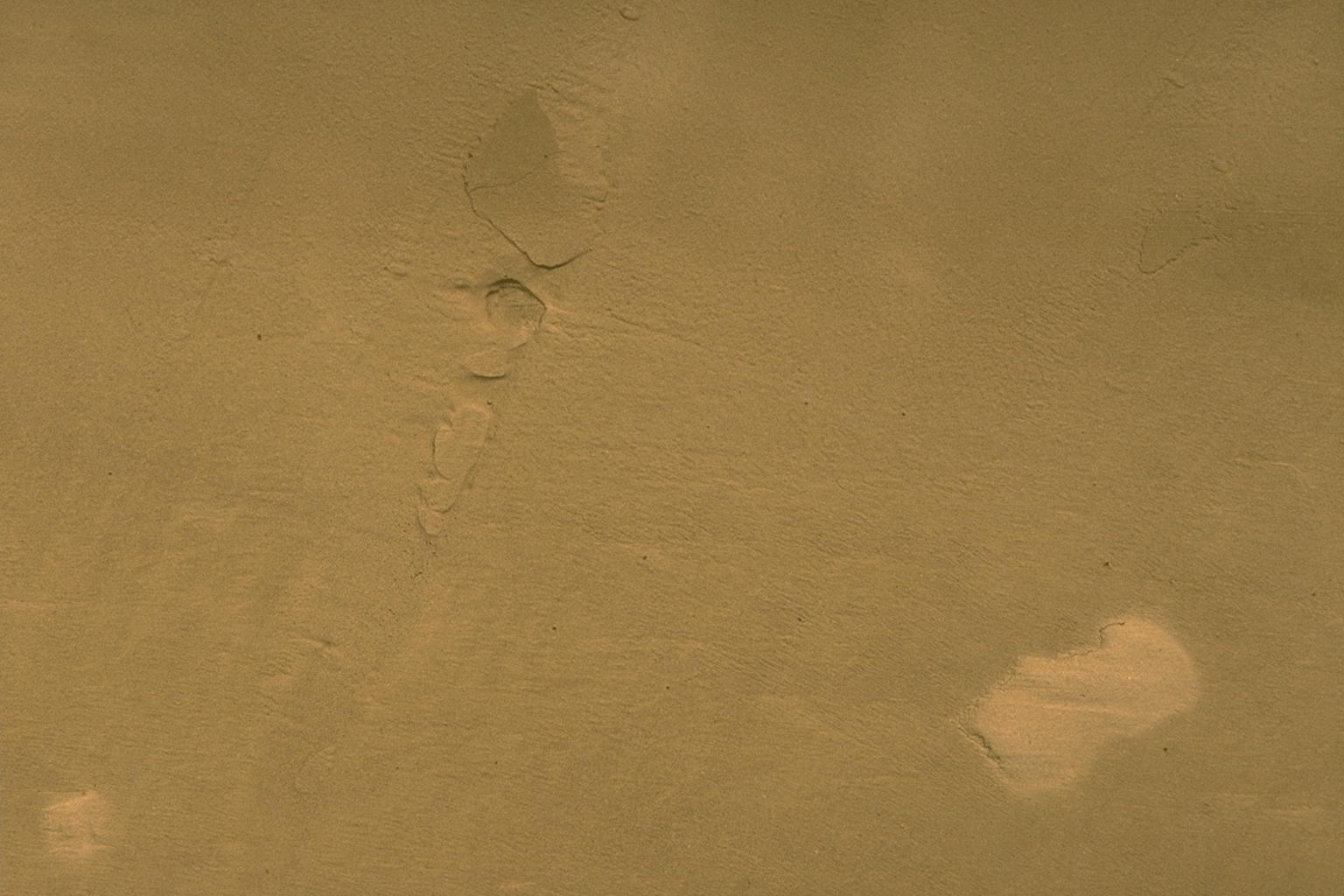
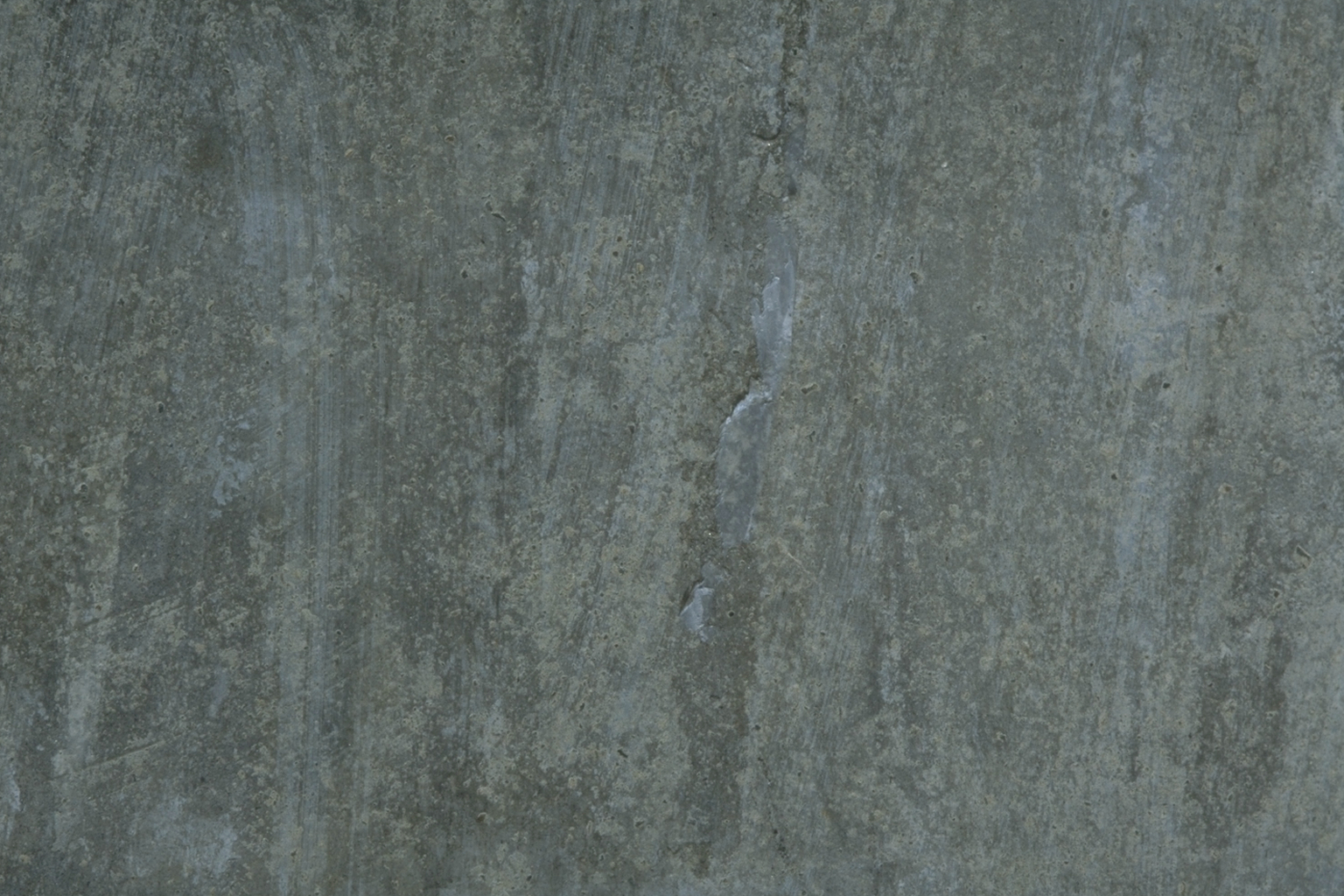
This collection is organized around the variables that drive that physical behavior: yarn thickness, weave structure, and surface texture — from the fine smoothness of tightly woven satin to the visible pile of brushed wool and the open grain of raw linen. The maps are built to support not just static renders but fabric simulation workflows, where the normal and displacement data needs to hold up under cloth movement and dynamic lighting conditions.
Every texture has been selected or produced with fiber-level detail and seamless tiling in mind. Surface grain that disappears at scale or breaks apart under close-up inspection defeats the purpose — these maps are evaluated at both distances to ensure they perform consistently throughout a production pipeline.
Albedo, normal, roughness, and displacement maps are included where available, giving you precise control over sheen, fiber depth, and surface response across cotton, silk, wool, and blended materials.
Choose the fabric that fits the form — and let the material carry the weight.
Reviews
There are no reviews yet.