
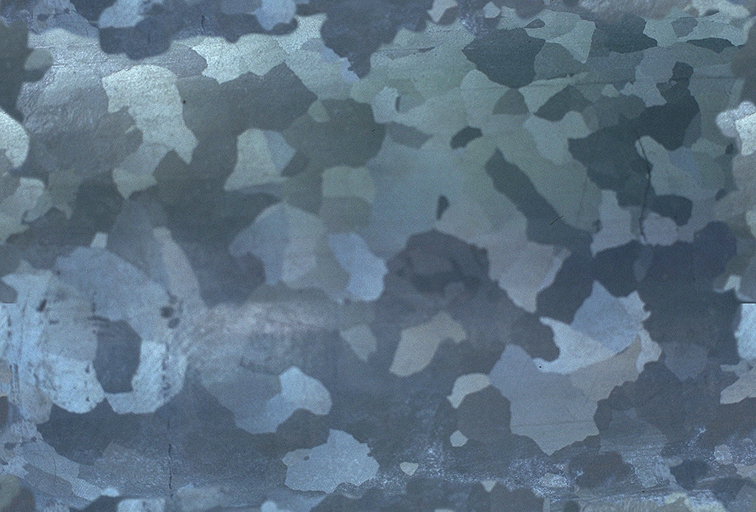
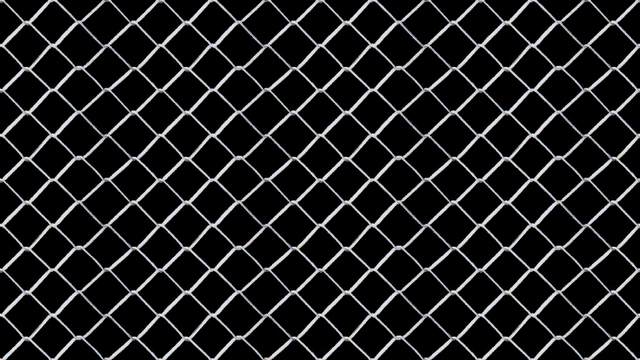
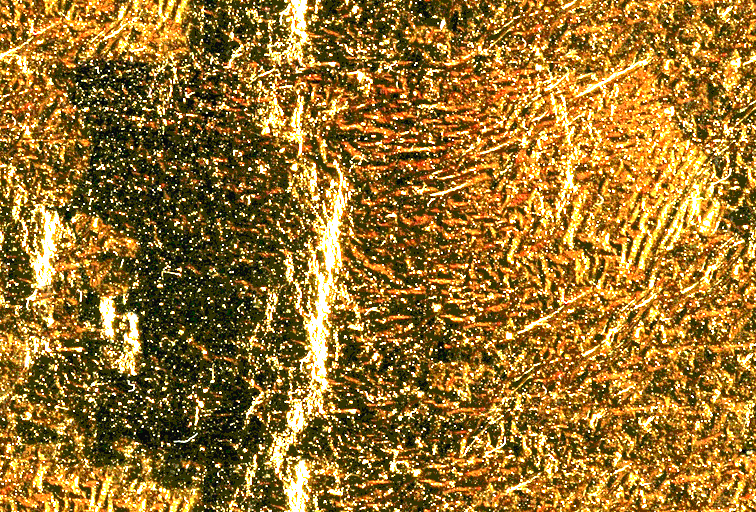
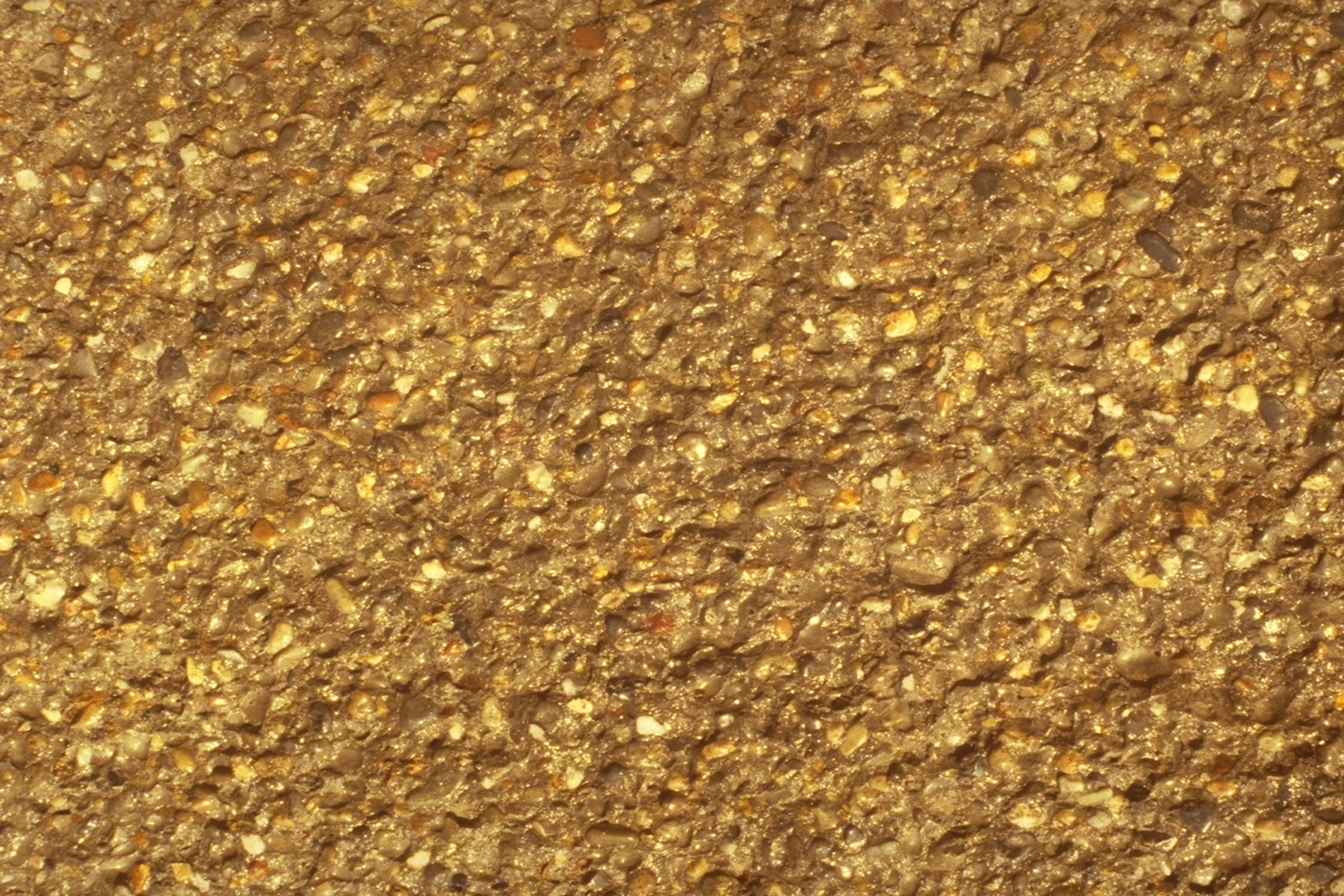
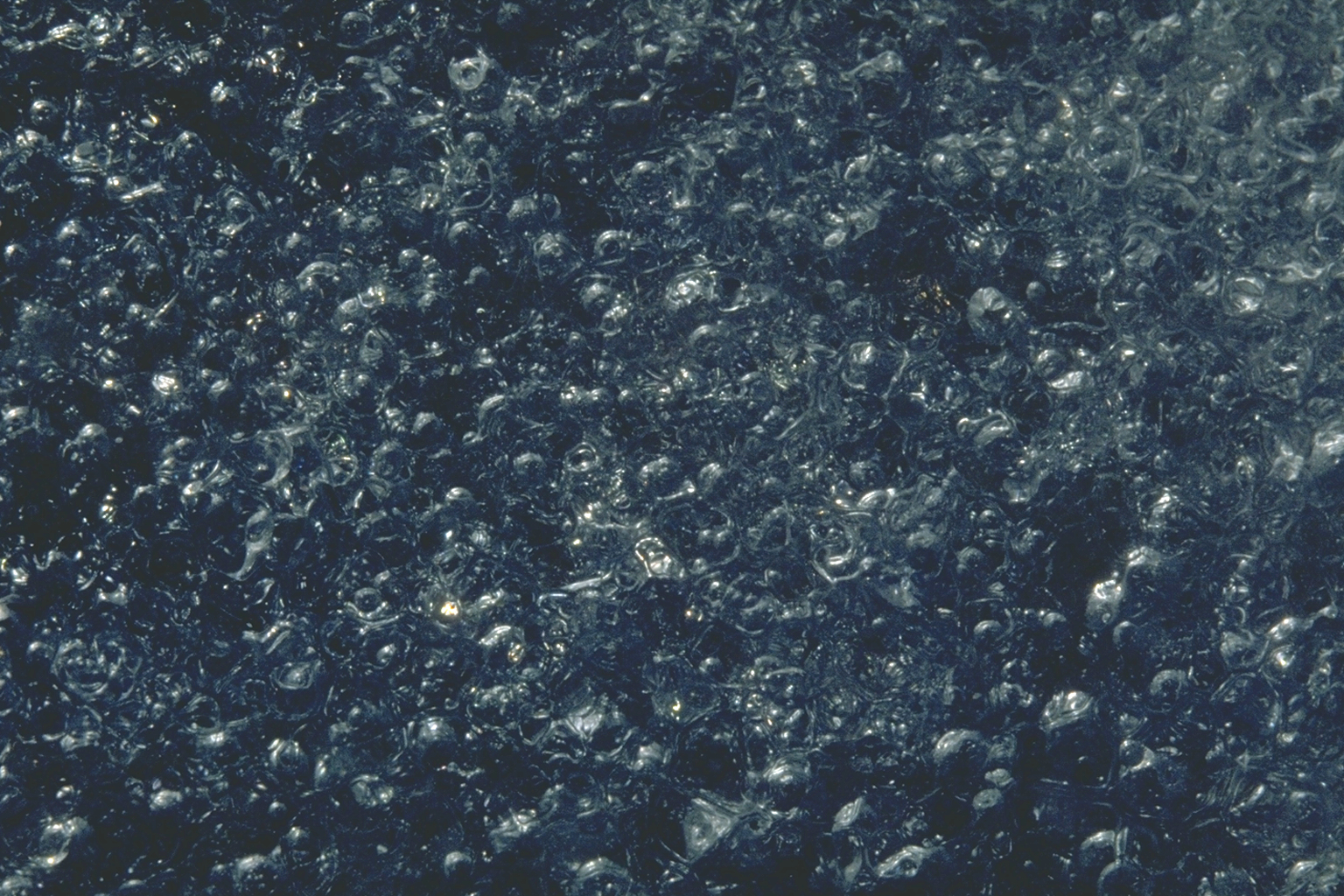
CGVista uploads a curated collection of map sources dedicated to metal surfaces — the material that defines structural weight, precision, and finish in both architectural and product visualization.
Metal is the ultimate test of a physically based rendering pipeline. No other material exposes the weaknesses of a poorly calibrated shader faster than metal does. Get the reflectivity wrong, misread the roughness, or ignore the anisotropic quality of a brushed finish — and the entire object falls apart visually. But when it’s right, metal reads immediately and convincingly: the cold weight of raw steel, the warm sheen of polished copper, the muted restraint of anodized aluminum. There’s no faking it. The maps either work or they don’t.
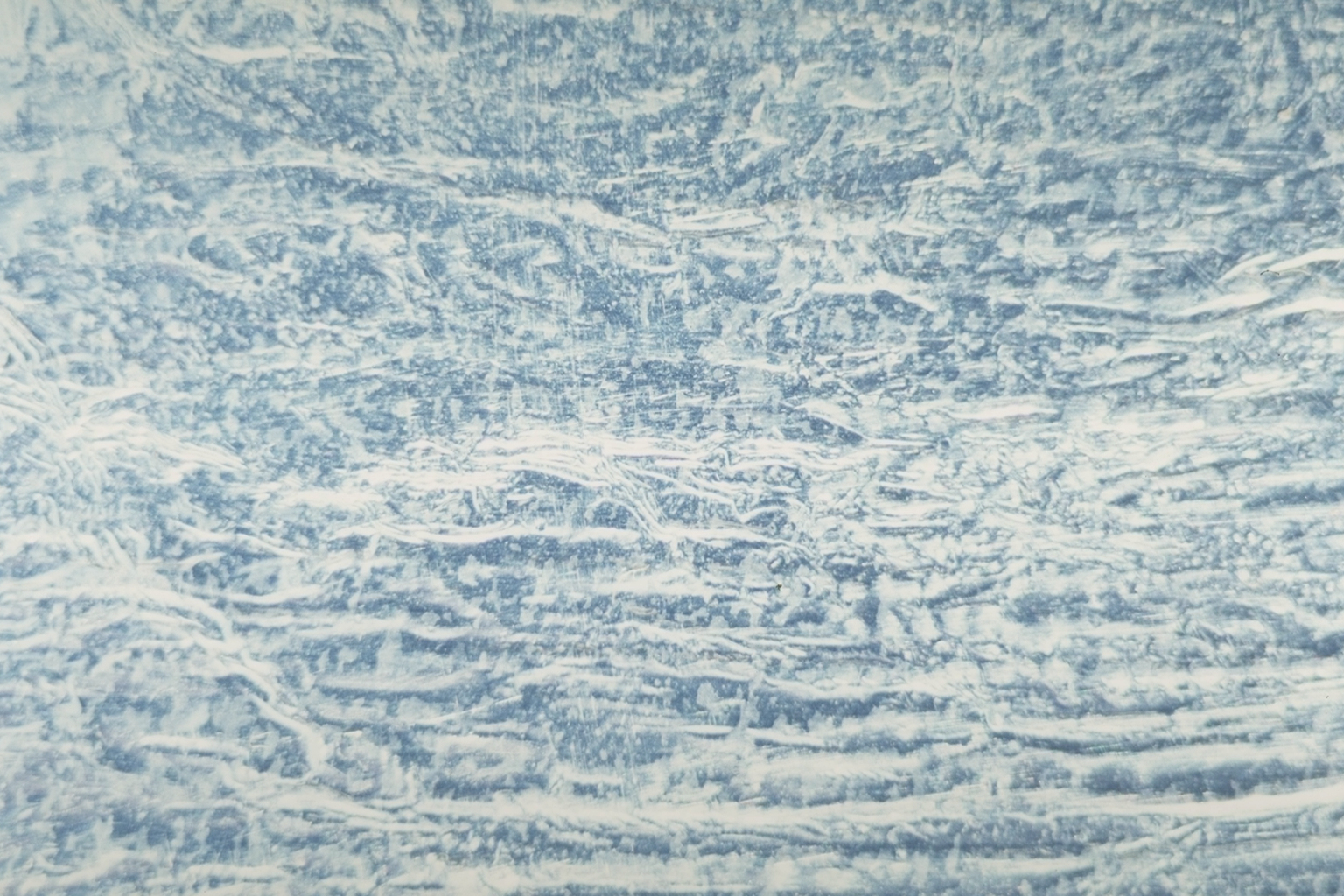
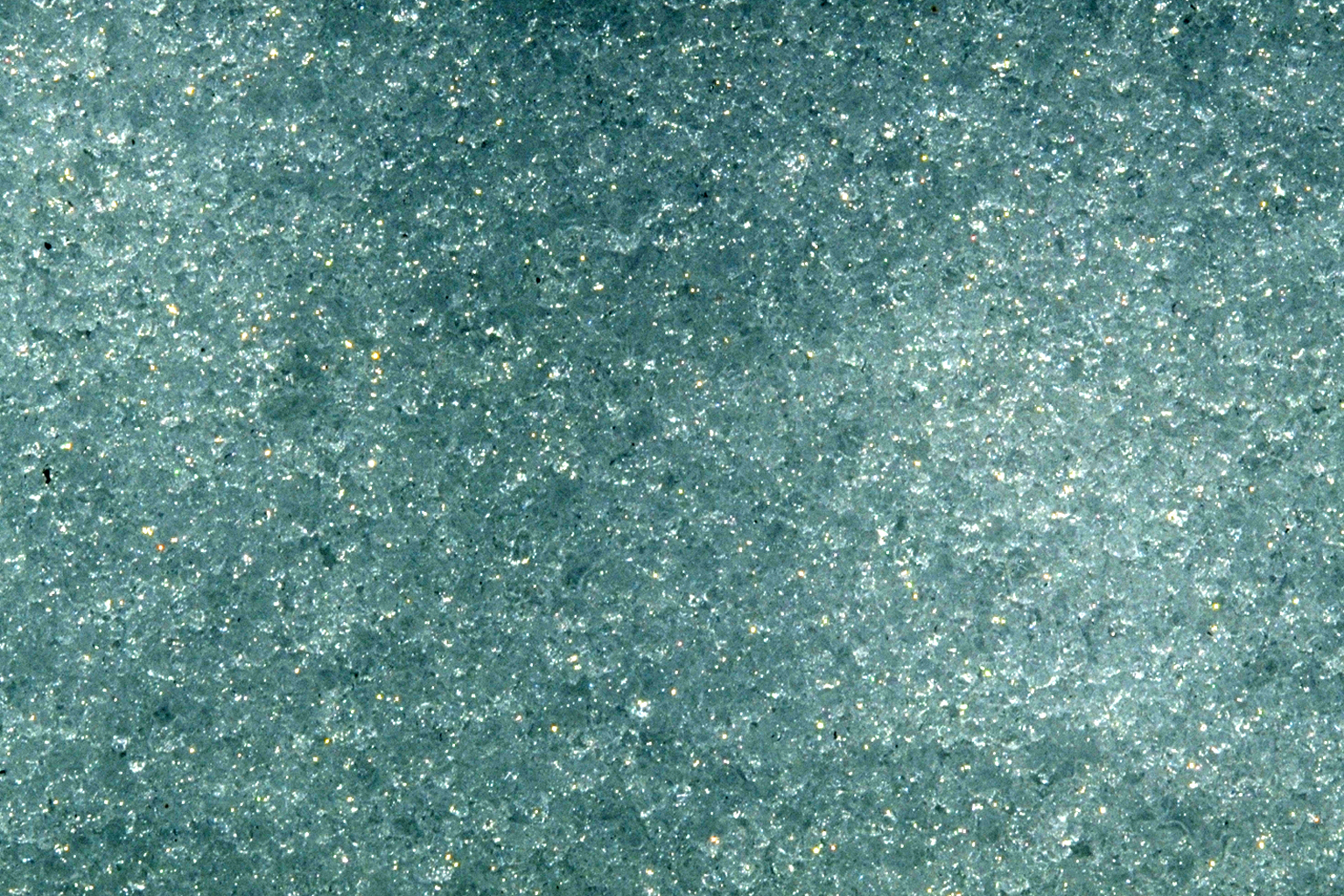
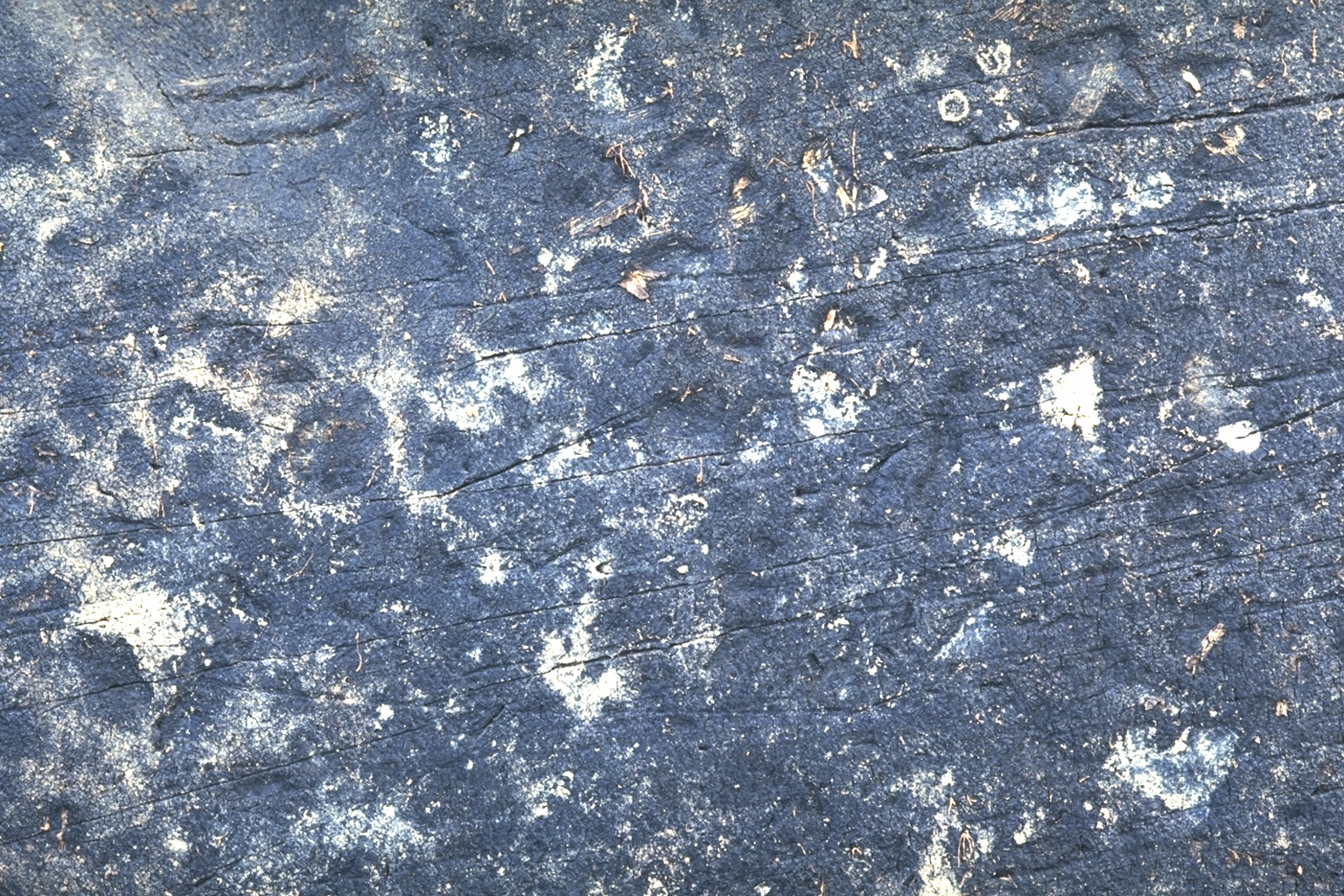
This collection is organized around the variables that define how metal looks and feels: surface finish, oxidation level, and processing method. Polished mirror surfaces, brushed directional grain, sandblasted matte, hammered texture, rusted and corroded patina, machined precision — each finish carries a different visual language and serves a different design intent. The same underlying geometry reads as industrial or refined, aged or pristine, purely through the surface map applied to it.
Every texture has been selected or produced with accurate PBR values in mind — particularly reflectivity and roughness, which are the two parameters most critical to convincing metal reproduction. Seamless tiling has been evaluated across large architectural surfaces and tight product close-ups, where metal maps are pushed hardest.
Albedo, normal, roughness, metalness, and displacement maps are included where available, giving you full control over scratch depth, oxidation variation, and specular response across aluminum, stainless steel, copper, brass, and raw iron.
Choose the finish that fits the object — and let the reflection speak for itself.
Reviews
There are no reviews yet.